
Traditional therapy typically takes place in an office, face to face, while sitting on a comfortable couch. While that setting can feel safe and familiar for many adults, it can sometimes feel intimidating, uncomfortable, or overly formal for children and teens.
Many adolescents struggle with the idea of sitting across from someone for an entire session while maintaining eye contact and talking about difficult emotions. Younger children may also have trouble staying regulated, engaged, or comfortable in a traditional office setting.
At Campbell Teen & Family Therapy, we strive to meet children and teens where they are developmentally, emotionally, and physically. Therapy is often about helping young people feel less stuck, more connected, and more capable of moving forward. For some children and adolescents, that movement is more than symbolic—it’s physical.
Walk and talk therapy offers a different approach—one where healing can happen through conversation, movement, and connection in a more relaxed environment.
What Is Walk & Talk Therapy?
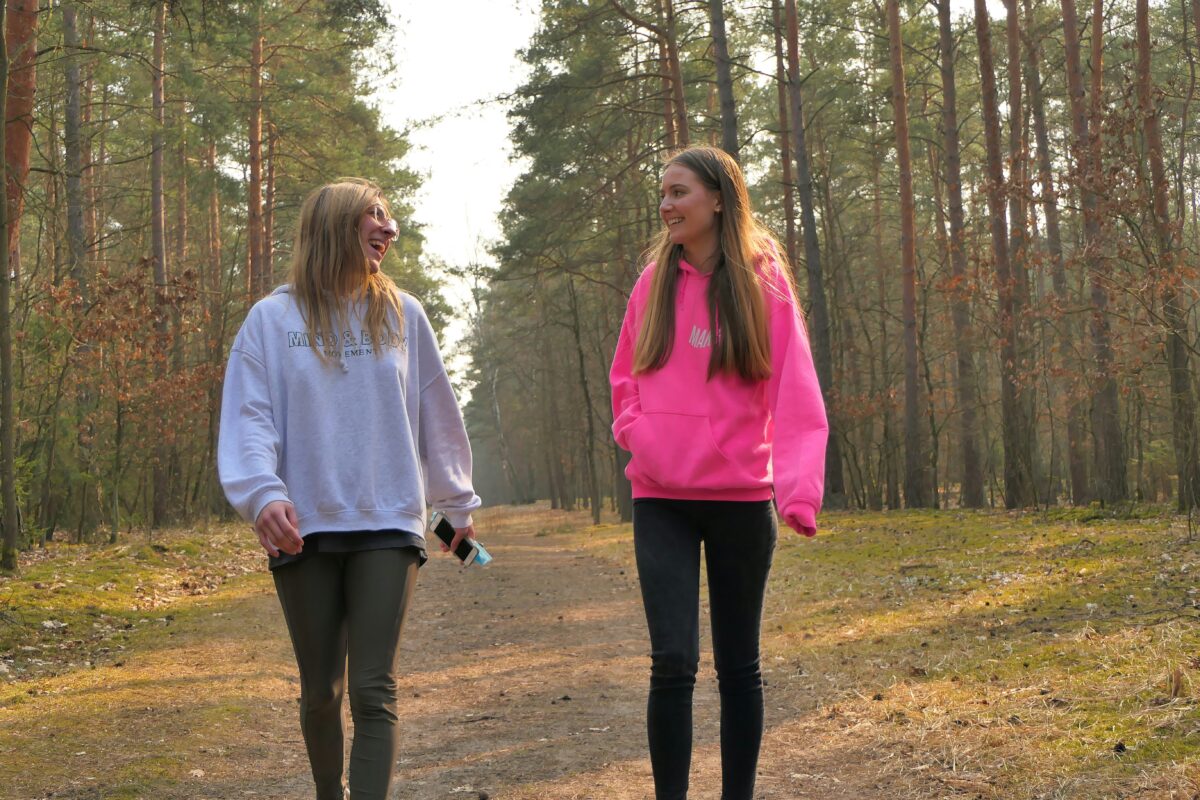
Walk and talk therapy is exactly what it sounds like: therapy sessions that take place outdoors while walking, rather than sitting in an office. Sessions are typically held in nearby parks or quiet walking paths, at a comfortable pace that feels conversational rather than exercise-focused.
While the setting may be different, the foundation of therapy remains the same. Sessions are guided by the child or teen’s therapeutic goals, grounded in clinical care, and shaped by a supportive therapeutic relationship.
For many adolescents, walking side-by-side instead of sitting face-to-face can make conversations feel less intense and more natural. Without the pressure of constant eye contact, teens often find it easier to open up, express emotions, and engage more authentically in therapy.
Why Movement Can Help Children & Teens Open Up
Children and teens often process emotions differently than adults. Many young people communicate more comfortably when they are moving, playing, or interacting with their environment rather than sitting still in a structured setting.
Gentle movement during therapy can help:
- Reduce anxiety and emotional tension
- Support nervous system regulation
- Improve focus and engagement
- Help restless or highly active children feel more comfortable
- Create a greater sense of emotional safety
Walking side-by-side can also reduce feelings of confrontation, which may help teens discuss difficult topics more openly and honestly.
In addition, physical movement naturally supports emotional wellness. Research has shown that walking and other forms of light activity can help reduce stress, anxiety, and depressive symptoms while improving mood and overall emotional regulation.
The Benefits of Being Outdoors
Being in nature can provide another layer of emotional support for children and teens. Natural environments often feel calmer, less pressured, and more open than traditional office spaces.
For anxious or overwhelmed adolescents, being outside can make therapy feel more approachable and less intimidating. Many young people report feeling more relaxed, grounded, and emotionally present during outdoor sessions.
Stepping outside of the office can also create a subtle but meaningful shift in perspective. Problems can begin to feel more manageable, conversations can flow more naturally, and therapy may feel less clinical and more connected to everyday life.
Is Walk & Talk Therapy Right for Everyone?
Walk and talk therapy can be especially helpful for:
- Teens who feel uncomfortable with direct eye contact
- Children or adolescents who struggle sitting still for long periods
- Youth experiencing anxiety, stress, or emotional overwhelm
- Teens who feel resistant to traditional office-based therapy
- Young people who benefit from movement and sensory engagement
At the same time, this approach may not be the best fit for everyone. Physical comfort, health concerns, allergies, weather conditions, and personal preference all matter. Together, we’ll consider what setting will best support your child’s emotional needs and therapeutic goals.
What to Expect
Walk and talk sessions maintain the structure and intention of traditional therapy while offering added flexibility and movement.
Sessions may include:
- Local parks or quiet walking paths
- A comfortable, conversational pace
- Discussion of confidentiality and privacy considerations ahead of time
- Flexibility based on weather or environmental conditions
Before getting started, we’ll discuss whether this approach feels like a good fit for your child or teen and answer any questions you may have. Your child’s comfort, safety, and emotional wellbeing always come first.
A Different Way Forward
Therapy does not have to look the same for every child or teen. Sometimes healing happens best when young people feel less pressure, more freedom, and greater connection to both themselves and their environment.
Walk and talk therapy creates space for reflection, movement, growth, and emotional connection—one step at a time.
For many children and adolescents, it’s not just about talking through challenges. It’s about feeling capable of moving forward.
If you’re curious about whether walk and talk therapy may be a good fit for your child or teen, we’re here to help.
We are proud to offer bilingual therapy services in both Spanish and Japanese, helping us better support and connect with a diverse range of families in our community.
Ready to take the next step? We invite you to reach out to learn more or schedule an appointment:
- Phone/Fax: (408) 628-0532
- Email: admin@campbellteenfamilytherapy.com
Whether you have questions or are ready to get started, our team is here to support you and your teen every step of the way.