
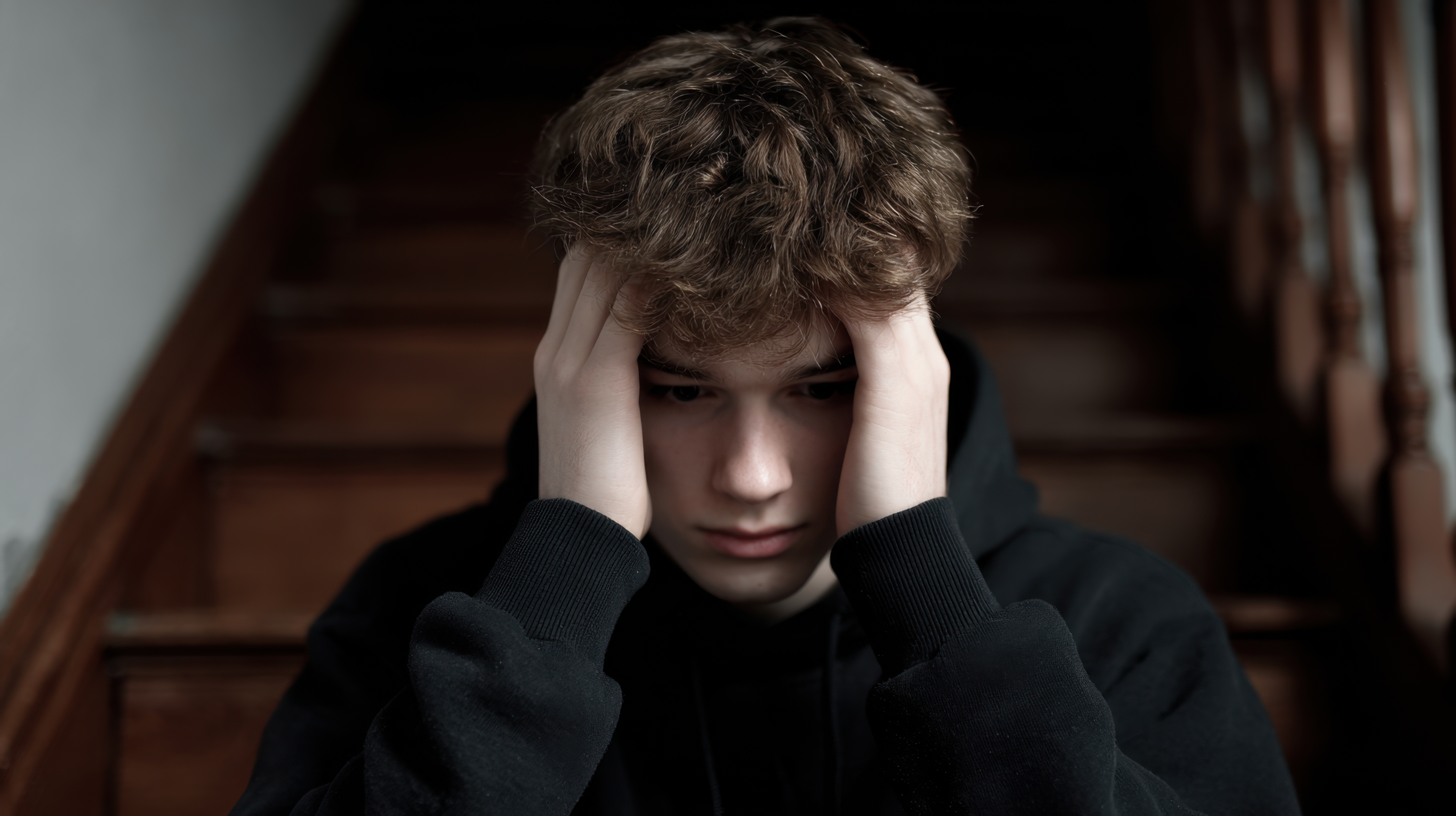
As the excitement of the holidays fades and school routines return, many teens experience a noticeable shift in mood. Parents often report increased irritability, anxiety, low motivation, or emotional withdrawal in January. This post-holiday emotional dip — often called the “January Slump” — is surprisingly common and completely understandable.
Understanding why this happens can help families respond with empathy and support rather than frustration or concern.
Why the January Slump Happens
Several factors converge after winter break that can impact a teen’s emotional well-being:
1. Sudden Loss of Downtime
Winter break offers a rare pause from academic pressure, early mornings, and packed schedules. Teens get more sleep, more freedom, and often more family connection. Returning to homework deadlines, exams, and structured days can feel overwhelming, especially for teens who already struggle with stress or anxiety.
2. Disrupted Sleep Patterns
Late nights, sleeping in, and increased screen time are common during the break. When school resumes, teens must abruptly shift their sleep schedule — often without enough time to adjust. Sleep deprivation significantly impacts mood regulation, focus, and emotional resilience.
3. Academic Pressure Resumes
January often brings renewed academic demands: midterms, projects, college planning, and performance expectations. Teens who place high pressure on themselves or fear falling behind may experience increased anxiety, perfectionism, or self-doubt.
4. Social Stress Returns
School social dynamics can be emotionally taxing. Navigating friendships, peer conflict, social comparison, and feelings of belonging creates daily stress that temporarily eases during break but returns quickly in January.
5. Less Sunlight and Seasonal Effects
Shorter daylight hours and reduced sunlight exposure can impact mood and energy levels. Some teens experience symptoms similar to Seasonal Affective Disorder (SAD), including fatigue, sadness, irritability, and difficulty concentrating.
6. Post-Holiday Emotional Letdown
After weeks of anticipation, family connection, and celebration, returning to routine can feel anticlimactic. Teens may experience disappointment, sadness, or a sense of loss when the festivities end.
Signs Your Teen May Be Struggling
It’s normal for teens to need time to readjust after a break. However, if symptoms persist or intensify, additional support may be helpful. Watch for:
- Persistent irritability or sadness
- Increased anxiety or excessive worry
- Changes in sleep or appetite
- Withdrawal from friends, activities, or family
- Difficulty concentrating or declining school performance
- Frequent physical complaints (headaches, stomachaches)
- Low motivation, hopelessness, or emotional numbness
If these symptoms last more than a couple of weeks or begin interfering with daily functioning, professional support can make a meaningful difference.
How Parents Can Support Their Teen
Small, consistent steps can help ease the transition back into routine:
Normalize the Experience
Reassure your teen that it’s common to feel off after major schedule changes. Avoid minimizing their emotions or pushing them to “snap out of it.”
Rebuild Healthy Routines Gradually
Support consistent sleep schedules, balanced meals, hydration, and regular movement. Avoid overloading schedules too quickly with academic or extracurricular pressure.
Encourage Open Communication
Create space for honest conversation without judgment or immediate problem-solving. Feeling heard builds emotional safety and trust.
Break Tasks Into Manageable Steps
Large projects and academic demands can feel overwhelming. Help your teen prioritize and take one step at a time.
Limit Screens Before Bed
Reducing evening screen exposure improves sleep quality and supports emotional regulation.
Know When to Seek Support
If your teen’s mood, anxiety, or behavior continues to decline or disrupts daily life, seeking professional guidance early can prevent longer-term challenges.
When Therapy Can Help
Therapy provides teens with tools to manage stress, anxiety, emotional regulation, academic pressure, and social challenges. It also offers a supportive environment where teens can build coping skills, confidence, and resilience during periods of change.
Early intervention often leads to better long-term emotional outcomes.
At Campbell Teen & Family Therapy, we are dedicated to helping teens and their families navigate emotional challenges with compassion and evidence-based care. We provide individualized and family therapy services, and we also offer bilingual support in Spanish and Japanese to better serve our diverse community.
If your teen is struggling this winter, we’re here to help.
(408) 628-0532
admin@campbellteenfamilytherapy.com
Leave a Review for Campbell Teen & Family Therapy!